


Chicken of the Woods (Laetiporus gilbertsonii), Ojai, October 25, 2025. Photo: Lanny Kaufer
Foraging Fungus in the Fall
One of the few fungi that appear in Southern California in the fall around Halloween time, Chicken of the Woods is a special treat for food foragers. Thankfully, my friend Greg alerted me that one had sprouted from a Eucalyptus stump on his Ojai property after the rain last month. After thanking the fungus, the tree, and Greg, I cut a piece and took it home.
My good friend and esteemed herbalist and mycologist Jess Starwood has a chapter on Laetiporus gilbertsonii in her amazing book, Mushroom Wanderland, that includes photos, cooking instructions, and a cautionary note: “This mushroom is known to cause gastrointestinal upset, (vomiting in particular) in some individuals. It is important to cook this species thoroughly to avoid sickness. Laetiporus species contain tyramine, which can cause potentially fatal interactions with MAO inhibitors.”1
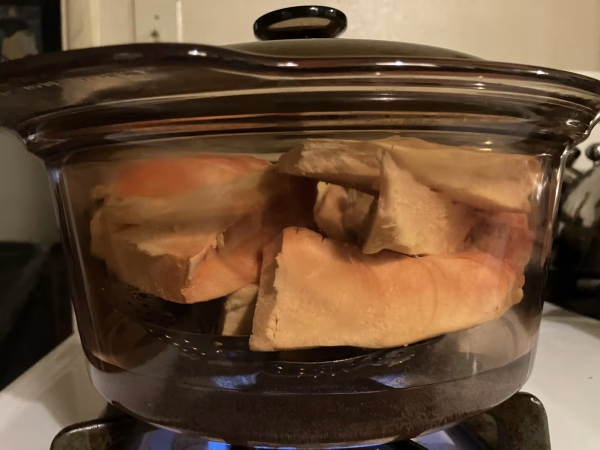
Still interested? Then read on. Back in the kitchen, I washed the “chicken,” cut off and composted much of the hard, white base, and steamed the rest for 30 minutes. It had a mild chicken-like flavor and fleshy texture, although I found I had to cut off more of the base as it tasted like dry chicken breast.
After putting half in the freezer for future use, I sautéed some chopped green onion and garlic from the garden in olive oil and then added the mushroom.

Next, I scrambled a free range egg and poured it over the savory mixture…

…and soon sat down to a hearty meal of chicken in the woods, brown rice and red lentils topped with gomasio (toasted ground sesame salt), and some avocado slices.

I felt great the rest of the day with no stomach upset whatsoever. Now, remember, I’m not encouraging you to try this, just sharing one person’s successful experience. That experience starts with a positive identification and reliable information about the wild food and how to prepare it.
Starwood goes on to say “Chicken of the woods is rich in carbohydrates and protein, as well as being high in vitamin C, vitamin A and potassium. Laetiporus has been used in traditional folk medicine in Europe. Rich in antioxidants, it has been studied for its potential healing qualities, and a few studies have suggested they may have anti-tumor and antibiotic properties.”2
- Starwood, Jess. Mushroom Wanderland: A Forager’s Guide to Finding, Identifying, and Using More Than 25 Wild Fungi. ↩︎
- Starwood. ↩︎