

The Ocean in the Oak Canyon: A Stinging Nettle Mystery
by Lanny Kaufer
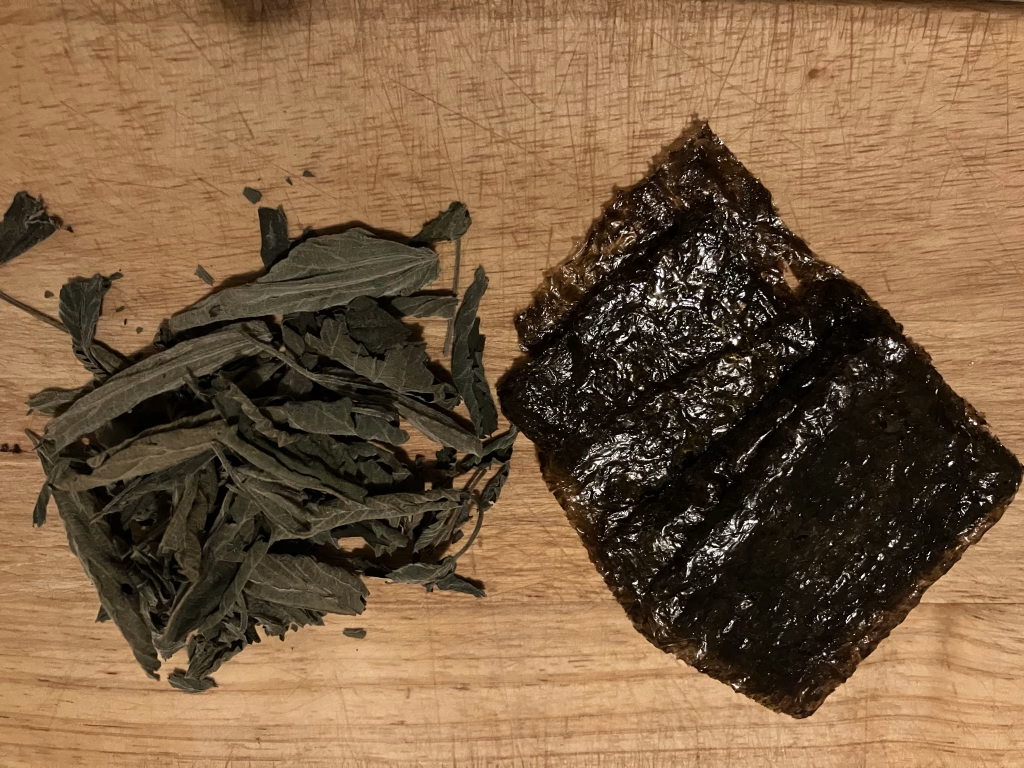
I was opening a two-year-old jar of my dried stinging nettle harvest the other day when a strange thing happened. As the lid came off, I wasn’t greeted by the expected “grassy” scent of a mountain herb. Instead, the aroma that filled the room was unmistakably maritime – the deep, briny, savory scent of a freshly opened bag of Nori or Kombu.
For a moment, I wondered if I’d mislabeled my jars. But no, these were the native giant stinging nettles (Urtica dioica) I’d gathered two years ago from a riparian canyon. If you’ve experienced this “jar test” yourself, you aren’t imagining things. There is a fascinating chemical bridge between our local oak canyons and the Pacific tidepools.
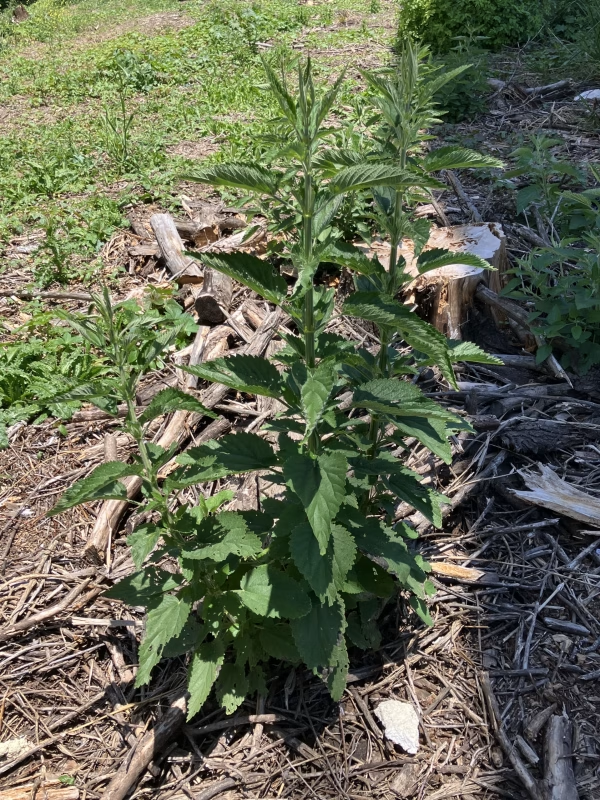
The Biochemical Mirror While stinging nettles and seaweed belong to entirely different kingdoms of life, they are “biochemical cousins.” Nettles are what we call high-functioning bio-accumulators. They are incredibly efficient at pulling minerals like sulfur and iron from the soil in concentrations that mirror marine algae. When you dry the leaves, the chlorophyll breaks down into volatile compounds called C6 aldehydes. These are chemically identical to the volatiles found in fresh seaweed.
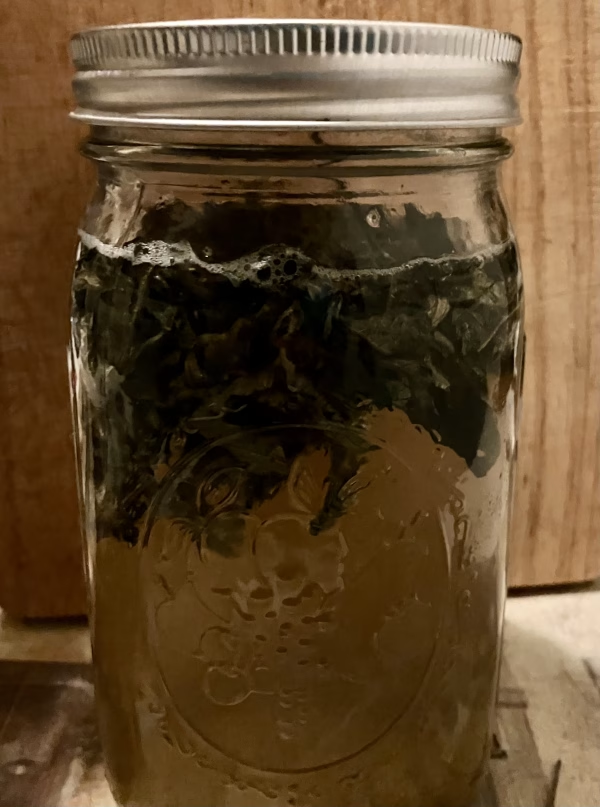
Combine those “green” aldehydes with the plant’s massive protein content (which provides a savory, umami depth) and you get a land plant that smells like the sea. This is why a cup of nettle tea feels so much more “substantial” than a simple infusion of most other herbs; you are essentially drinking a land-based mineral broth. Lately, I’ve been making a quart at a time as an overnight cold infusion and drinking a cup first thing in the morning. When served cold, that briny “sea” note translates into a crisp, refreshing saltiness that feels remarkably hydrating.
(Urtica dioica)
While its smaller cousin, the non-native Dwarf stinging nettle (Urtica urens), so common in our gardens, shares a similar phytochemical profile, I don’t find myself drying it. I prefer to steam it fresh or just eat it raw in the garden, using the trick I learned from my Chumash teacher, Juanita Centeno, as described in my book, Medicinal Herbs of California.
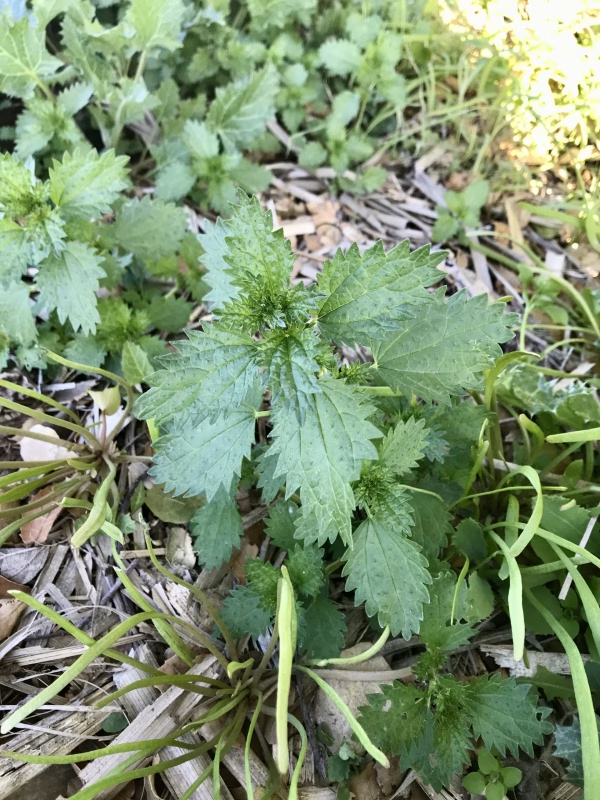
The Spring Window Right now is an ideal time for gathering this superfood. Whether you are finding the California stinging nettle (subsp. gracilis) to the north or the Hoary nettle (subsp. holosericea) in our Southern California canyons, the rule of thumb remains the same: Harvest the tops now, before they flower.
As I detail in my book, once these plants bloom in the summer, they develop cystoliths – gritty particles of calcium and silica that can be quite irritating to the kidneys. For those of us looking to capture that peak nutrition and that unique “maritime” aroma, the tender spring growth is where the magic happens.
Just remember: always follow legal and sustainable collecting practices and, unless you have nerves of steel, wear your gloves. Those stinging trichomes don’t care about your culinary plans!
Further Reading:
- Medicinal Herbs of California: A Field Guide to Common Healing Plants by Lanny Kaufer (for more on native subspecies and harvesting safety).
- “Stinging nettles leaf (Urtica dioica L.): Extraordinary vegetable medicine.” by Roy Upton (2013), Journal of Herbal Medicine (for those who want to geek out on the phytochemistry